Japan
Osaka
Rivers, trading districts and Japanese city culture
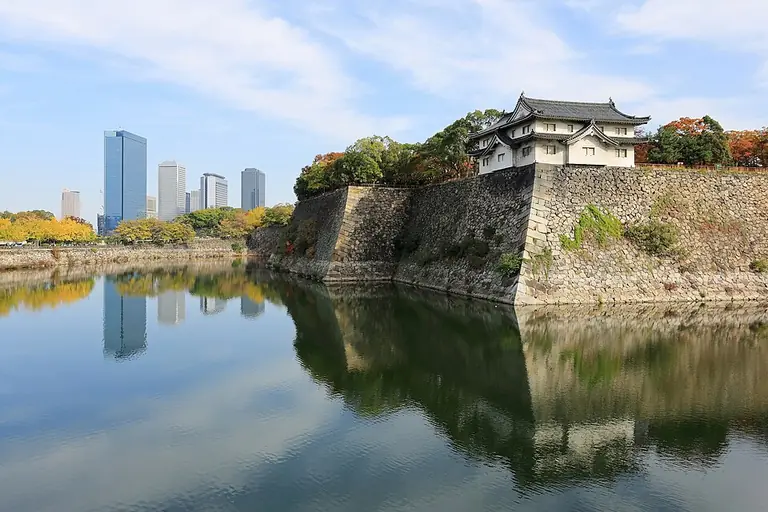
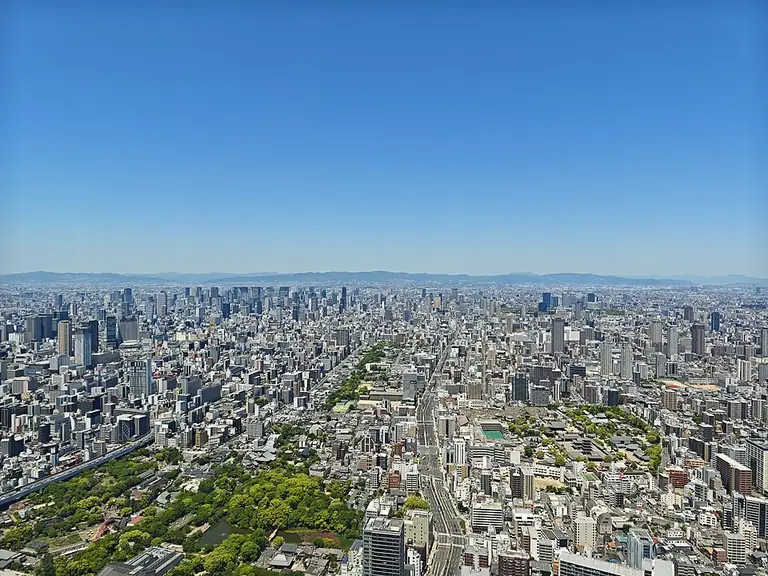
Osaka unfolds through several distinct urban centres: the shopping district of Umeda, the streets of Namba and Dotonbori, cultural Nakanoshima and the green spaces of Tennoji. Riverbanks and bridges recall its merchant past, while the castle, Shitennoji Temple and museums offer different ways into its history. Everyday life depends on the particular station, the exit leading to your street and the journeys between work, shopping and places to unwind.
- Country
- Japan
- Geography
- Osaka City within Osaka Prefecture, in the Kansai region
- Municipal status
- Granted city status on 1 April 1889
- Nakanoshima’s rivers
- Dojima and Tosabori
- Present castle tower
- Built in 1931 with donations from residents
Explore the destination
City, prefecture and merchant heritage
Osaka is a city within the prefecture of the same name, in the Kansai region. An address in Osaka Prefecture therefore need not be in Osaka City: Sakai and Kishiwada, for example, are separate cities. Waterborne transport, bridges and trade run through Osaka’s history. Nakanoshima once held domain warehouses handling rice and other goods. This relationship between trade and water helps explain the present-day map: riverbanks and bridges shape a walk, while the exact municipality and connections to everyday destinations matter when choosing a home.
Kita and Minami: distinct urban centres
Kita is the urban centre around Osaka Station and Umeda, combining the station complex with department stores, offices and shopping spaces. Minami is associated with Namba, Shinsaibashi and Dotonbori, where shops, restaurants, theatre history and large signs shape the streets. These names help with orientation but cannot replace a precise address. Explore both centres on an ordinary weekday, identify the station exit you would use and compare the particular streets that would become part of your daily routine.
Nakanoshima: water, architecture and art
The narrow island between the Dojima and Tosabori rivers combines business and cultural life. Its park and rose garden make a riverside walk a destination in itself, while the Central Public Hall, completed in 1918, adds neo-Renaissance architecture. The Museum of Oriental Ceramics introduces Chinese, Korean and Japanese works. The National Museum of Art, Osaka focuses on modern and contemporary art, particularly works made since 1945. For a rewarding day, choose an exhibition and a particular stretch of riverbank: Nakanoshima extends beyond its park.
The castle’s layers of history
Exploring Osaka Castle involves a museum tower, moats, stone walls, gates and defensive turrets. The present main tower was built in 1931 after the loss of its predecessors; its appearance does not mean the whole structure survives from Toyotomi Hideyoshi’s time. The surrounding park has different walking areas, including a plum grove and Nishinomaru Garden. Museum galleries, the observation deck and a walk beside the moat offer different experiences. Plan them separately, allowing for the entrance you choose and the garden’s access arrangements.
Tennoji and Abeno: park, garden and temple history
Tenshiba is the entrance area of Tennoji Park, with a lawn and cafes. The wider park contains Keitakuen Garden, the zoo and Osaka City Museum of Fine Arts, each deserving its own visit. Keitakuen is arranged around a pond and is associated with the former Sumitomo family residence. Shitennoji Temple, founded in 593 and rebuilt repeatedly, brings another historical theme to this part of the city. Abeno Harukas is a modern high-rise landmark. Explore this combination by choosing the themes that interest you, rather than trying to cover every attraction in a single day.
Stations and journeys across the city
The Midosuji subway line links Shin-Osaka, Umeda, Hommachi, Shinsaibashi, Namba and Tennoji. Osaka Station is in central Umeda; Shinkansen departures use the separate Shin-Osaka Station. Choose a Kansai Airport journey by its particular service too: Nankai connects the airport with Namba, while JR offers routes through Tennoji and to Osaka Station. A district name cannot replace the operator, platform and airport terminal. Before travelling, check the stops of your chosen train, transfers with luggage and the current timetable.
Orientation coordinates: GeoNames · CC BY 4.0. Coordinates reproduced unchanged; this is a city reference point, not a property address.
Choosing where to live in Osaka: urban centres, stations and cultural routes
Start with an ordinary week of work, grocery shopping and free time. In Osaka, it helps to distinguish a city address from a prefecture address, Kita from Minami, and the particular stations within large transport hubs.
How can you compare different parts of Osaka?
An area name gives your search a direction; the final impression comes from the particular street.
Read more
Umeda and daily life around the station
In Kita, shopping spaces and offices cluster around Osaka Station and Umeda. Station architecture, department stores and the streets of Chayamachi reveal different sides of this centre, while Umeda Sky Building provides another landmark. When viewing a home, check your own route through the hub: to the platform for your line, the street exit and your usual shops. Walk it in both directions, including the transition from station space to neighbourhood streets. Add a look at the building entrance, courtyard and nearby crossings to your impression of the major shopping complexes.
Namba, Shinsaibashi and Dotonbori
In Minami, shopping, food and entertainment are closely associated with the streets of Namba, Shinsaibashi and Dotonbori. Dotonbori’s theatre history sits alongside restaurants, three-dimensional signs and the Tombori Riverwalk. Choosing somewhere to live calls for more than a single sightseeing impression: see the street when you would return home, locate a suitable grocery shop and inspect the approach to the building. Use the name Namba together with a particular station and operator, especially if regular airport journeys will be part of your routine.
City address or prefecture address?
Osaka Prefecture contains Osaka City and other municipalities. Sakai and Kishiwada, both found in general Osaka guides, are separate cities. When comparing homes, first write down the full address and municipality, then the station and line you need. Visitor-area labels such as Kita, Minami and Tennoji/Abeno are useful introductions but describe broad zones. Compare the same practical tasks for every shortlisted address: commuting, shopping on the way home and reaching a chosen park. A familiar area name is only one part of that comparison.
How do the stations and airport routes fit together?
Check the complete journey from your door to the right platform and final entrance.
Read more
Midosuji as a starting point for daily travel
Shin-Osaka, Umeda, Yodoyabashi, Hommachi, Shinsaibashi, Namba and Tennoji all lie on the Midosuji line. This provides an initial framework for comparing addresses connected with those parts of the city. Then examine the details: which exit leads towards home, where the relevant platform is and whether another railway requires an additional passage. Test the morning trip and evening return, including your usual stops on the way. Two nearby names on a network map cannot describe the walk inside a station or the suitability of an exit when carrying shopping.
Osaka and Shin-Osaka on a ticket
Osaka Station belongs to central Umeda; Shin-Osaka is a separate station serving the Shinkansen. If intercity journeys will be regular, compare the route specifically to Shin-Osaka, including any transfer and the onward passage to your departure. Business in Umeda may call for a different endpoint. Keep the full station name from the ticket and use it in your journey planning. To assess a home’s intercity connections, go beyond the phrase “near Osaka Station” and follow the actual route to the platform for the train you need.
Kansai Airport: Nankai, JR and the terminal
Nankai connects Kansai Airport with Namba using Rapi:t and Airport Express services. JR’s Kansai-Airport Rapid serves Tennoji and Osaka, while Haruka serves Tennoji and Shin-Osaka among other stops. Choose a particular train by its station, stopping pattern and timetable. The airport railway station is connected with Terminal 1 and Aeroplaza; Terminal 2 involves an additional shuttle-bus connection. When comparing addresses, include transfers with luggage and the terminal for your flight. An airport train alone does not establish the complete journey from home to departure.
Which routines help you get to know the city?
Try walks, food and cultural activities as parts of an ordinary day, as well as a sightseeing programme.
Read more
A riverside walk in Nakanoshima
In Nakanoshima, a walk can focus on the rose garden, a chosen riverbank and the architecture of the Central Public Hall. Completed in 1918, the building continues to host cultural events and gatherings. For a regular walk, choose a specific route across the bridges and along the bank, with a starting point and return. Looking at the exterior and attending an event require different planning: check the programme and interior access for the latter. If water is a reason for choosing a home, examine the usable walking connection as well as the view from a window.
Getting to know Osaka through food
Takoyaki are batter balls with octopus; okonomiyaki is cooked on a hot plate using batter, cabbage and additional ingredients. Both introduce local cooking through the preparation as well as the finished dish. Dotonbori makes a useful part of a food-focused walk for its restaurant streets and expressive signs. When choosing a home, add ordinary tasks to that culinary impression: where to buy ingredients for meals at home, the convenient route after work and the character of your own street in the evening. A favourite restaurant and a practical daily environment can influence the choice in different ways.
Tenshiba and Keitakuen for different kinds of walks
Tenshiba’s lawn and the pond garden of Keitakuen offer different activities within Tennoji Park. Tenshiba combines the entrance area, cafes and an open lawn; in Keitakuen, the walk unfolds around a pond, small bridges and changing garden views. Garden designer Ogawa Jihei created it for the setting of the Sumitomo family residence. For regular visits, compare the route to the appropriate entrance and the arrangements for that part of the park. Treat the museum or zoo as an additional outing, so a simple walk need not depend on visiting the entire complex.
Which cultural places might you return to?
The castle, temple and art museums reveal different historical layers of Osaka.
Read more
Castle park and museum tower
At the castle, distinguish a walk among the moats and defences from a museum-tower visit or entry to Nishinomaru Garden. The main tower of 1931 itself tells a story of residents rebuilding a symbol of Osaka through donations. Stone walls, gates and defensive turrets offer another part of the historical experience. Decide what you want to see on this visit and choose an appropriate park entrance. A selected short stretch can work for repeat walks, while the museum displays and seasonal garden deserve deliberate places in the plan.
Shitennoji and reconstructed architecture
Prince Shotoku founded Shitennoji in 593. Its central precinct follows a south–north axis within a surrounding corridor. The temple has been rebuilt repeatedly; most present structures date from after the war and recreate the historical arrangement. This makes it a place to consider both an ancient tradition and its preservation through reconstruction. Allow time to explore the complex in sequence and check access to the parts you want to see. For someone choosing a home in this part of Osaka, the temple can be a distinct cultural destination alongside Tennoji Park.
Two different Nakanoshima museums
The Museum of Oriental Ceramics grew from the Ataka Collection and introduces especially Chinese and Korean ceramic traditions; Japanese works are also represented. The National Museum of Art, Osaka takes a different approach, focusing on modern and contemporary art from Japan and abroad, particularly since 1945. It moved to Nakanoshima in 2004, and its exterior structure was inspired by bamboo. Choose by subject and current exhibition, then check the journey from home. The National Museum of Art and Nakanoshima Museum of Art are separate institutions, so keep the full name of your chosen venue.
Properties in the city
- City Tower Osaka Honmachi
- Umeda Garden Residence
- City Tower Tennoji
- Grande Maison Umeda Residence Tower
- Grande Maison Osaka Uehommachi Station Tower
- Grande Maison The Tennoji Karakiyocho
- Grand Green Osaka The South Residence
- Grande Maison Tamatsukuri Residence
- Grande Maison Shin-Umeda Tower The Club Residence
Photo credits
1. Martin Falbisoner · Osaka Castle moat and the business district · CC BY-SA 4.0. Resized, WebP format.
2. Loggieloggie · Osaka skyline viewed from Abeno Harukas · CC0. Resized, WebP format.