Cyprus
Paphos
Harbour walks, mosaics and everyday life in the Old Town
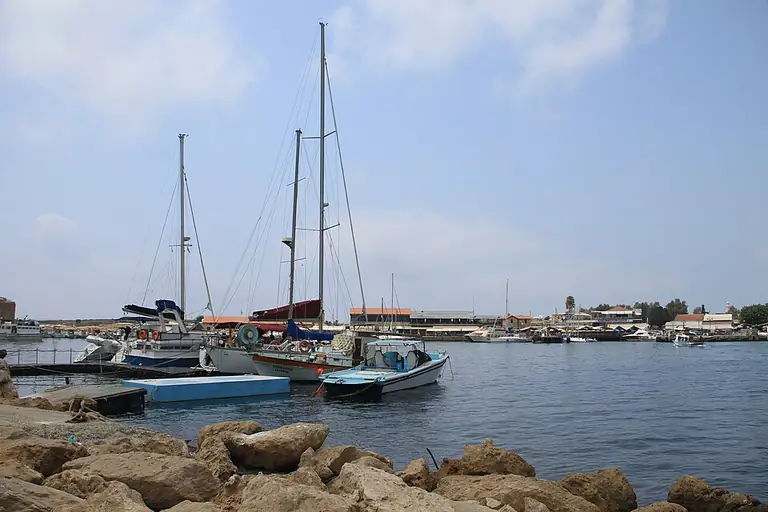
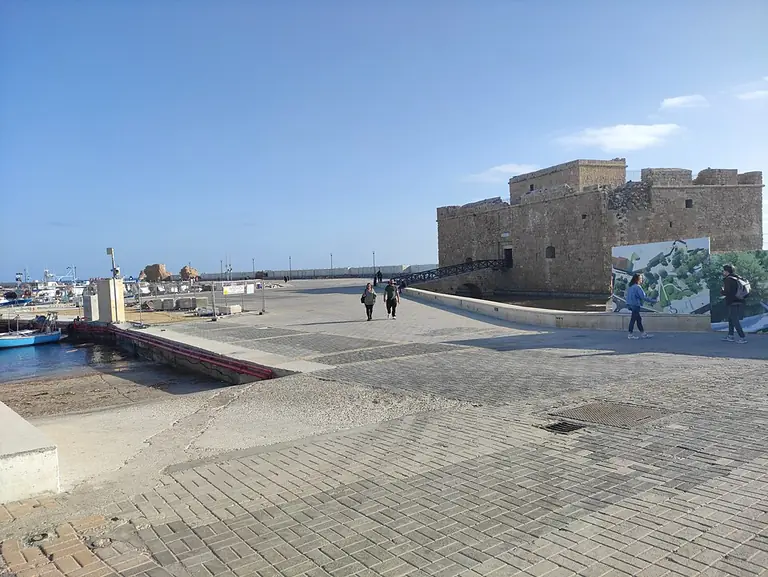
Paphos in western Cyprus brings together seaside Kato Paphos and the streets of the Old Town. The harbour has its castle and ancient monuments, while small shops, workshops and cafés surround the market. Understanding the city means comparing waterfront walks, everyday urban journeys and trips to individual sights across the wider region.
- Country
- Cyprus
- Location
- Western part of the island
- World Heritage
- Archaeological Paphos, inscribed in 1980
- Harbour castle
- Surviving Ottoman restoration of 1592
- Market and harbour
- Connected by bus route 610
Explore the destination
The harbour quarter and the market quarter
Two contrasting settings make a useful starting point for Paphos. Kato Paphos is associated with the sea, harbour and archaeological sites. The Old Town offers walks among historic buildings, cafés and craft workshops. These areas complement each other: it is worth assessing the route to the sea separately from the route for everyday shopping.
Castle, mosaics and ancient theatre
Paphos Castle stands at the western end of the harbour. The archaeological park preserves Roman-house mosaics illustrating Greek myths, an Odeon and remains of the Agora. Fabrica Hill, northeast of the park, reveals another part of the ancient city, with a theatre on its southern slope.
Old Town and public spaces
The Municipal Market brings together small shops, local produce and crafts, with sea views from the area to its west. On 28 October Square, the neoclassical Town Hall faces the Municipal Library. The Ottoman Baths near the old market add a historic building with domes and daylight openings to this walking route.
Making the coast part of everyday life
Municipal Baths off Poseidonos Avenue combines decking and sandy sections, with cafés and waterfront streets nearby. To explore more of the coast, consider a separate trip to the sandy municipal beach at Geroskipou. When choosing a regular seaside spot, assess the actual entrance, path surface, places to rest and seasonal availability of facilities.
Connecting the main parts of Paphos
The bus network has distinct Harbour, Karavela and Tombs of the Kings stations. Route 610 links the Municipal Market and harbour. Airport services are 612 from Tombs of the Kings and 613 from Karavela. A convenient journey depends on the nearest suitable stop, the direction of travel and the timetable for your day.
City heritage and regional trips
The Paphos World Heritage property includes ancient Nea Paphos, the Tombs of the Kings and the Sanctuary of Aphrodite at Kouklia. The latter needs a separate journey beyond a city walk. The Archaeological Museum on Griva Digeni Avenue complements the ruins with a regional collection spanning the Neolithic period to the seventeenth century.
Orientation coordinates: GeoNames · CC BY 4.0. Coordinates reproduced unchanged; this is a city reference point, not a property address.
Choosing a home in Paphos: neighbourhoods and everyday routes
This guide helps compare the surroundings of an individual home: walks, transport, shopping and cultural places. Start with an ordinary day and test how a particular address fits into it.
How do I choose an everyday setting in Paphos?
Compare individual streets and your routine before relying on neighbourhood names.
Read more
Kato Paphos and the Old Town
If waterfront walks matter, start with routes to Kato Paphos harbour. For an urban setting around cafés and workshops, explore the Old Town. Visit your chosen street at the hours you expect to be at home and assess traffic, lighting and nearby venues.
The city and the wider region
Paphos can describe both the city and its wider region. Geroskipou, Kouklia and other places in excursion descriptions need their own routes. Check the settlement and individual address so that a regional attraction is not mistaken for somewhere within walking reach of a home.
Test an ordinary day
Plan the trip for groceries, the relevant bus stop and somewhere to relax. Walk it from the building entrance, noting crossings, surfaces, gradients and shade. Repeat your most important route at another time of day: a neighbourhood overview point cannot replace this check.
How do I assess transport beyond “everything nearby”?
Check the complete journey, including the stop, waiting time and return trip.
Read more
Between market and harbour
Route 610 connects the Municipal Market with Harbour. Its timetable distinguishes school periods, holidays and weekends. For a regular journey, check stops in both directions and the last suitable departure, rather than simply noting that the line exists on a map.
Reaching the airport
The airport routes have different city termini: 612 runs to Tombs of the Kings and 613 to Karavela. For an address near Poseidonos or Griva Digeni, compare the actual stops on the relevant line. For an early flight, check the timetable and allow time for the journey separately.
The final part of the route
Being near a station helps only when the approach is convenient. Look at crossings and the waiting area, and check the route with luggage or a pushchair in mind. If you expect to drive, assess the entrance, drop-off space and actual parking arrangements at the building.
Which places will genuinely become part of daily life?
Choose surroundings that fit regular activities, shopping and time off.
Read more
Access to the sea
Municipal Baths combines decking and sandy areas; Geroskipou Municipal Beach offers a different, sandy setting. Assess the particular access to the water and the return walk, plus showers and changing facilities. Sea conditions and beach services need to be checked on the day.
Shopping and the market walk
The Municipal Market combines local produce, crafts and small shops. It makes an interesting urban outing, but test your everyday shopping needs yourself: which goods are stocked, when the relevant shops open and how convenient the journey home is with bags.
Culture beyond a beach day
The Archaeological Museum introduces finds from across the region, while Fabrica reveals traces of an ancient theatre and later buildings. Identify places you would genuinely return to. Before visiting, check current entrances, opening hours and access to the areas you want to see.
How do I understand Paphos’s historic setting?
Distinguish modern neighbourhoods, ancient monuments and separate excursion routes.
Read more
What the UNESCO property brings together
The World Heritage property connects Nea Paphos and the Tombs of the Kings with Palaipaphos and the Sanctuary of Aphrodite at Kouklia. These are several archaeological areas. Heritage status explains the history of a place; an individual home still needs to be assessed by its own address and surroundings.
Planning an archaeological walk
The mosaics of the Houses of Dionysos, Theseus, Aion and Orpheus are inside the archaeological park. Set aside a visit, choose an entrance and plan breaks. Do not assume that crossing a protected site provides a permanently available shortcut between a home, the sea and a bus stop.
Different layers of history
The harbour castle and domed Ottoman Baths represent different periods from the Roman mosaics. Neoclassical architecture adds another layer in the Old Town. Build a walk around a few selected places and check access to each: seeing a building from outside and visiting its interior can call for different plans.
Properties in the city
- Elysia Blu
- Pearl Park Residences
- Aphrodite Gardens
- Pafilia Plaza
- Galaxy Residences
- Andriana Court
- Jasmine Gardens
- Onero Residences
- Meteora Residences
Photo credits
1. Anatoliy Smaga · Boats in Paphos harbour · CC BY-SA 4.0. Resized, WebP format.
2. Fry72, Karel Frydrýšek · Paphos Castle and harbour · CC BY-SA 4.0. Resized, WebP format.