Japan
Tokyo
Asakusa temples, Ueno museums and gardens among city architecture
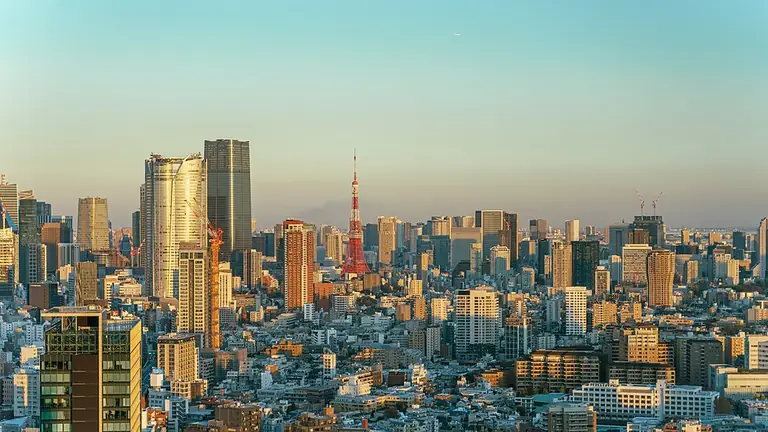
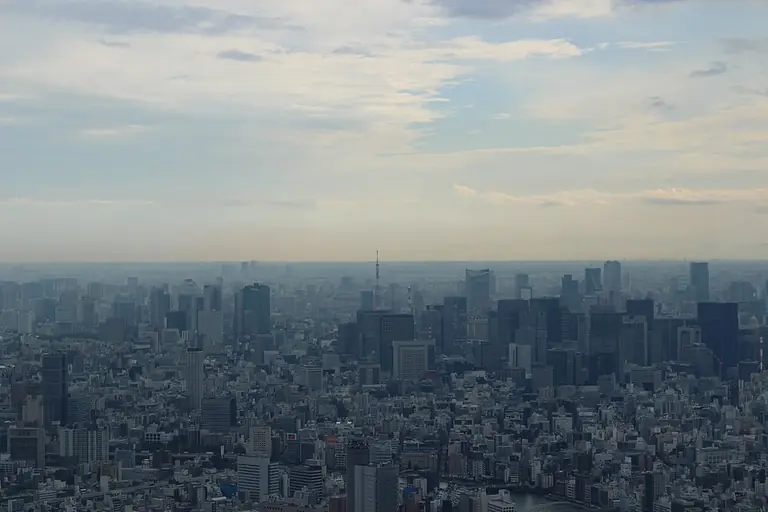
Tokyo unfolds through Asakusa’s temple streets, Ueno’s museum park, Marunouchi’s brick façades and gardens beside the water. The name also covers a metropolitan region containing special wards, cities in the Tama area and islands. When choosing where to live, connect your cultural impressions with a specific address, the right station and your everyday journeys.
- Country
- Japan
- Administrative setting
- Metropolitan prefecture; 23 special wards, the Tama area and islands
- Historical name
- Edo; renamed Tokyo in 1868
- Water landmarks
- The Sumida River and Tokyo Bay
- Urban journeys
- Tokyo Metro and Toei subways, plus JR and other railways
Explore the destination
Tokyo at several map scales
Tokyo Metropolis extends beyond the dense urban centre familiar from photographs. It includes 23 special wards, municipalities in the Tama area and island territories. Asakusa and Ueno are neighbourhood names within the special ward of Taito. They help describe the character of a walk but do not replace a full address. When comparing homes, identify the administrative location, then the street and a useful station exit: the same name, Tokyo, can describe very different everyday geographies.
From Edo to Asakusa’s temple streets
Edo became Tokyo in 1868, while the earlier city’s cultural memory continues through crafts and urban life. In Asakusa, the sequence of Kaminarimon Gate, Nakamise shopping street and Sensoji Temple reveals the relationship between a religious centre and a trading street. The temple is dedicated to Kannon; approach it as a place of faith and follow the rules of conduct. Add neighbouring streets and the Sumida riverbank to your route so that your impression extends beyond one busy approach.
Ueno: art, science and a park
Ueno brings together several independent museum experiences. Tokyo National Museum explores Japanese art, archaeology and art from other parts of Asia. The National Museum of Western Art adds European painting and sculpture, with a main building designed by Le Corbusier. The National Museum of Nature and Science offers another perspective through its Japan and Global galleries. Leave time for the park between more intensive visits; choose one main interest in advance and check access to the particular galleries you want to see.
Marunouchi: a station as an architectural landmark
Tokyo Station’s Marunouchi building combines red brick, stone details and domes. Kingo Tatsuno’s design dates to 1914; its historical form was restored in 2012. This horizontal composition provides a useful counterpoint to the surrounding towers. Notice the reliefs beneath the domes before exploring Marunouchi Naka-dori. For a meeting or journey, specify the side of the station and the exact exit: the architectural landmark is also a large transport interchange.
Gardens and water with different characters
A walk beside the Sumida centres on the river, open views and the riverbank. Hama-rikyu tells a different story: this Edo-period garden beside Tokyo Bay contains a pond fed by seawater. At Shinjuku Gyoen, compare the Formal Garden, broad Landscape Garden lawns, Japanese Traditional Garden and Tamamo Pond area. Choose a place around what you want to do, rather than simply a green patch on the map. For regular outings, check the entrance, visiting arrangements and complete route from a prospective home.
Start with the right transport line
Tokyo Metro and Toei subways, JR lines and other railways form distinct parts of the transport system. Everyday journeys depend on the train’s destination, transfers and the exit onto your street. Airport routes differ too: Haneda connects with Keikyu and Tokyo Monorail, while Narita has JR and Keisei services. Match a particular departure to your final address and airport terminal. When assessing an area, test the entire journey from platform to building entrance and check the late return separately.
Orientation coordinates: GeoNames · CC BY 4.0. Coordinates reproduced unchanged; this is a city reference point, not a property address.
Choosing where to live and getting to know Tokyo
Build your own picture of Tokyo through its streets, transport, museums and walks. These articles help move from a familiar neighbourhood name to checking a specific address and an everyday routine that suits you.
From a neighbourhood name to a useful address
Cultural landmarks help choose a search area; a particular street shows how it could fit your everyday life.
Read more
Read the address at several levels
In Tokyo addresses, the suffix ku identifies a special ward, while shi identifies a city within the metropolitan region. Asakusa and Ueno are in Taito, but each name includes different places to walk, work and shop. Write down the complete location of a prospective home, then identify the station and exit you would use. Compare addresses through your regular journeys: one useful connection may matter more than proximity to a famous map label. Assess the building approach and the spaces you would actually use separately.
Asakusa and Ueno offer different experiences
For an introduction to the historic city, explore Asakusa’s temple approach and shopping streets; in Ueno, build a day around a museum and the park. Ameyoko between Ueno and Okachimachi adds food shops, clothing and everyday trade. Use these walks to understand your preferences: do museums, the river or a shopping street interest you most? Then return to a prospective residential street at the times you would normally be there. Compare activity beside the attraction with conditions immediately outside the building entrance.
Look closely at Marunouchi
Around Tokyo Station, compare the brick and stone of the historic building with the scale of later towers. The domes and their decorative reliefs deserve a closer look; street sculptures add another dimension along Marunouchi Naka-dori. Choose a few details you genuinely want to examine rather than trying to cover everything at once. For the next journey, note your entrance and the side of the station. If the area is part of your home search, assess the everyday route separately from your impressions of architecture and shopfronts.
Build a door-to-door journey
In Tokyo, the station name, operator and individual train matter at different stages of the same trip.
Read more
Urban lines and station exits
Tokyo Metro and Toei operate the subways; JR and other railway companies add their own routes. Subway station codes combine a line letter with a station number, while colour provides another cue. Save the line, direction, interchange and exit as well as the station name. When comparing homes, repeat the route with the bags or shopping you normally carry, noting passages and lift locations. Check your ticket’s conditions by operator and section: several lines appearing on one map does not mean their travel rules are identical.
Haneda: Keikyu or Tokyo Monorail
From Haneda, a rail journey can use either Keikyu or Tokyo Monorail. For a route via Shinagawa, check the appropriate Keikyu train; the monorail links airport stations with Hamamatsucho, where you choose onward transport. Identify your terminal and the entrance to the relevant system before boarding. Include the passage through the airport, transfers and final stage to your address. For an early departure or late arrival, check the first or last suitable service for your actual date, including any required changes.
Narita: match the train to the destination
JR Narita Express serves routes via Tokyo Station towards Shinagawa, Shibuya, Shinjuku and other destinations, depending on the service. Keisei Skyliner connects the airport with Nippori and Keisei-Ueno. These are separate options: Keisei-Ueno and JR Ueno are different boarding locations. Keisei also has other train types, including Access Express, with different stopping patterns. Before buying, check the particular train, destination and transfers; for the return, identify the airport station serving your terminal. The word express alone does not define the route.
Choose a museum theme
Ueno rewards repeat visits, with different interests ranging from Japanese art to architecture and natural science.
Read more
Tokyo National Museum: several distinct buildings
The Honkan focuses on Japanese art, the Heiseikan includes Japanese archaeology, and the Toyokan presents art from other parts of Asia. This structure makes it possible to choose deliberately: concentrate on one period, for example, or compare materials and techniques. Make a short list of galleries that interest you and check which displays are accessible on your visit date. Identify the Main Gate entrance and the arrangements for your chosen exhibition. The general museum plan describes the complex; it does not confirm that every building or room is available on every date.
Western art and a building by Le Corbusier
The National Museum of Western Art developed around the Matsukata Collection and presents European painting and sculpture. Its Le Corbusier-designed main building forms part of the serial World Heritage property dedicated to the architect’s work. Combine two interests: choose works in the current displays, then pay attention to the organisation of the museum’s spaces. Check access to the particular rooms and exhibitions for your visit. The architectural recognition applies to a specific component; it does not automatically describe the whole neighbourhood or nearby housing.
Nature and science: make your own route
The National Museum of Nature and Science divides its permanent exhibitions between the Japan Gallery and the Global Gallery. One museum-recommended theme explores relationships between people and the natural environment of the Japanese islands. Before visiting, choose a question to investigate: how a natural environment works, for example, or how people study it. Locate the relevant sections on the plan and leave time to read explanations. Check temporary changes in individual galleries; a theme appearing in the museum description does not guarantee access to every exhibit on your chosen day.
Find a walk that fits your routine
A river, museum park and historic garden offer different ways to spend time outdoors.
Read more
The Sumida: identify the bank and entrance
Sumida Park on the Taito side offers a riverside walk in Asakusa with views of Tokyo Skytree. Its appearance changes with the seasons; cherry trees are part of the park, but their flowering cannot be promised for a particular date. Start with a specific entrance and choose a riverside section that suits your pace. If adding a boat trip, check the pier, destination and departure separately. To assess a residential address, walk to the river from the actual building, noticing crossings, places to rest and the return route.
Ueno and Shinobazu: change the scale
After museum galleries, turn your attention to Ueno Park and Shinobazu Pond. The pond has lotus, waterbird and boating sections; decide which landscape you want to explore. Check seasonal conditions and the availability of particular activities for your date. Combine a museum visit with a short park route, leaving yourself room to shorten the programme. When choosing where to live, investigate the park entrance reached from your own street, rather than relying only on the route from the main station exit.
Shinjuku Gyoen and Hama-rikyu: two separate visits
Shinjuku Gyoen offers changing garden compositions: formal geometry, open lawns, the Japanese garden and the Tamamo Pond area. At Hama-rikyu, attention shifts to a seawater-fed pond and a garden beside the bay, framed by modern urban buildings. Choose one route around your mood and available time, keeping the other for a separate day. Check entrances, visiting arrangements and restrictions for the areas that interest you. When comparing addresses, consider how this kind of walk would fit an ordinary week and how you would get home afterwards.
Properties in the city
- Azabudai Hills Residence A
- Toranomon Hills Residential Tower
- Roppongi Hills Residences
- Motoazabu Hills
- Atago Green Hills Forest Tower
- Omotesando Hills Zelkova Terrace
- ARK Hills Sengokuyama Residence
- ARK Towers
- Hirakawacho Mori Tower Residence
Photo credits
1. David Kernan · Minato and Tokyo Tower · CC BY 4.0. Resized, WebP format.
2. Ruthsic · Tokyo skyline viewed from Tokyo Skytree · CC BY-SA 4.0. Resized, WebP format.